- Electronics
- Los Angeles
- 33 views
Location: Los Angeles
Price: Contact us
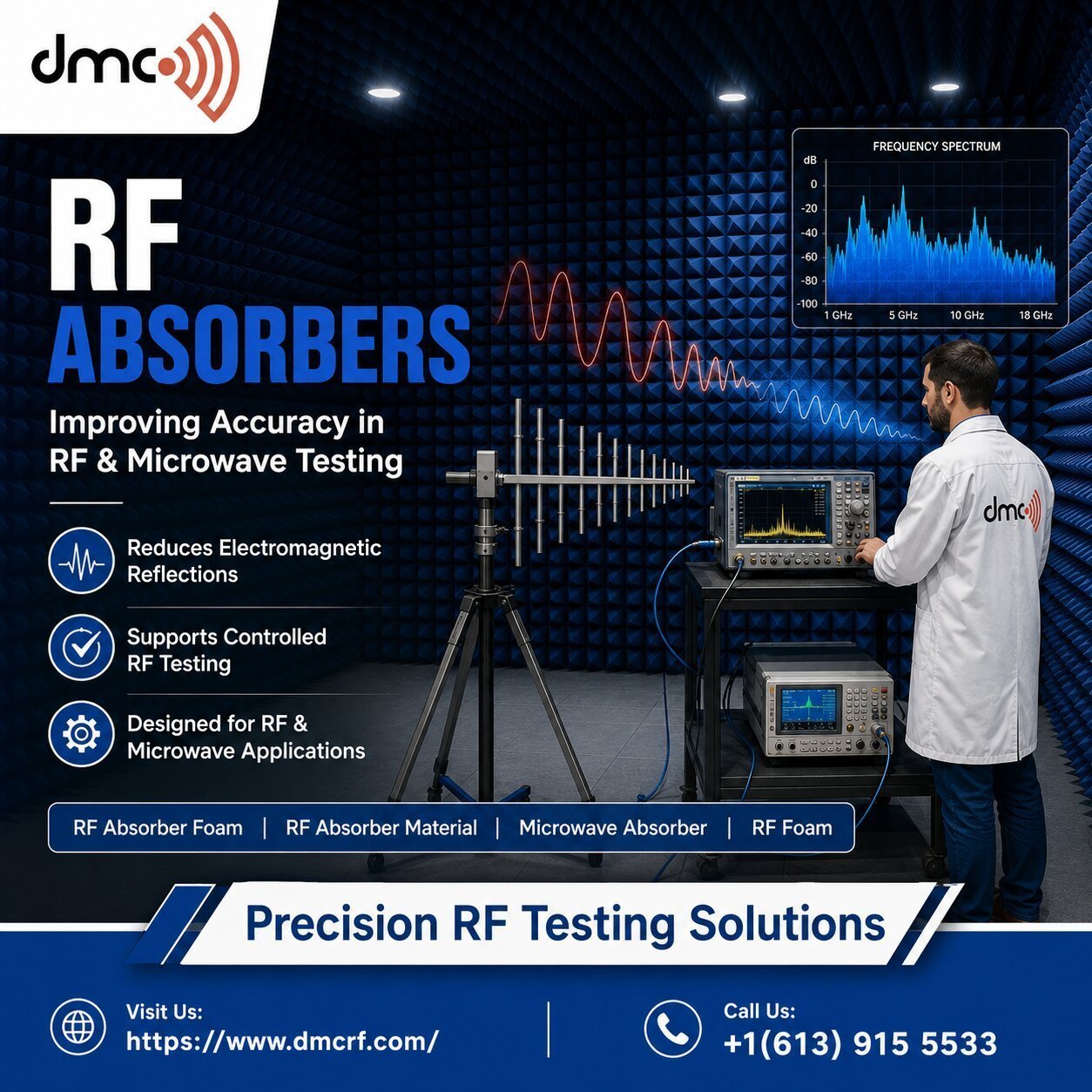
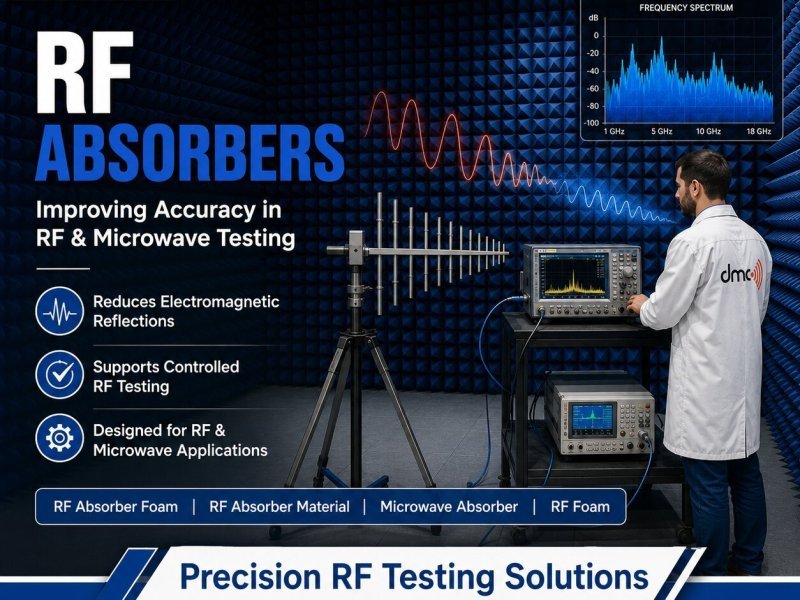
RF absorbers are essential for controlling unwanted electromagnetic reflections inside RF testing environments. A suitable rf absorber foam can help create more controlled conditions for measurements by reducing reflected energy from chamber surfaces. The choice of rf absorber material depends on factors such as frequency range, chamber configuration, absorber thickness, surface coverage, and testing requirements.
RF absorbers are commonly used in anechoic and semi-anechoic chambers where controlled electromagnetic conditions are required. When electromagnetic energy reaches a reflective surface, part of the signal can return toward the equipment under test and influence measurement results. Properly selected rf foam helps absorb this energy and reduce unwanted reflections.
Different absorber designs are suitable for different frequency requirements. Pyramid and wedge-shaped rf absorber foam configurations are commonly used because their structure helps electromagnetic energy enter the material before being attenuated. For broadband testing, engineers should consider the complete operating frequency range instead of selecting an absorber based on only one frequency.
A microwave absorber is particularly useful in high-frequency applications involving antennas, radar systems, wireless devices, telecommunications equipment, and other RF technologies. The appropriate absorber should be selected according to the frequency range and testing objective, as an absorber designed for one application may not provide the same performance in another frequency band.
Installation is also an important consideration. Gaps, untreated areas, unsuitable transitions, and poorly planned cable or equipment penetrations can create additional reflection paths. Proper placement of rf absorber material around doors, ventilation systems, lighting, cable entry points, and equipment supports helps maintain the intended electromagnetic environment.
RF absorbers can support EMC and RF testing by helping engineers obtain more consistent and repeatable measurements. They can be useful for evaluating wireless products, automotive electronics, aerospace systems, telecommunications equipment, consumer electronics, and other products incorporating RF technologies.
When planning an absorber installation, organizations should consider the chamber type, frequency range, equipment dimensions, testing methods, future requirements, durability, installation complexity, and expected laboratory workload. Selecting the right rf foam, microwave absorber, and supporting chamber components can help create a practical testing environment for long-term use.
For organizations developing or upgrading RF testing facilities, choosing the correct rf absorber foam and rf absorber material should be based on the actual testing requirements rather than appearance or initial cost alone. DMC RF provides RF and microwave absorber solutions designed to support controlled testing environments and dependable measurement performance.
#RFAbsorbers, #RFAbsorberFoam, #RFAbsorberMaterial, #RFFoam, #MicrowaveAbsorber, #RFTesting, #MicrowaveTesting, #EMCTesting, #AnechoicChamber, #RFTestingChamber, #EMC, #RFEngineering, #WirelessTesting, #ElectromagneticTesting, #DMC
Contact Us:
Visit Us: https://www.dmcrf.com/rf-and-microwave-absorbers/
Call Us: +1(613) 915 5533
Similar Listings
View more



Commercial Electrical Companies Marrero
Contact us

Buy Ink Cartridges in Australia | Genuine...
Contact us